
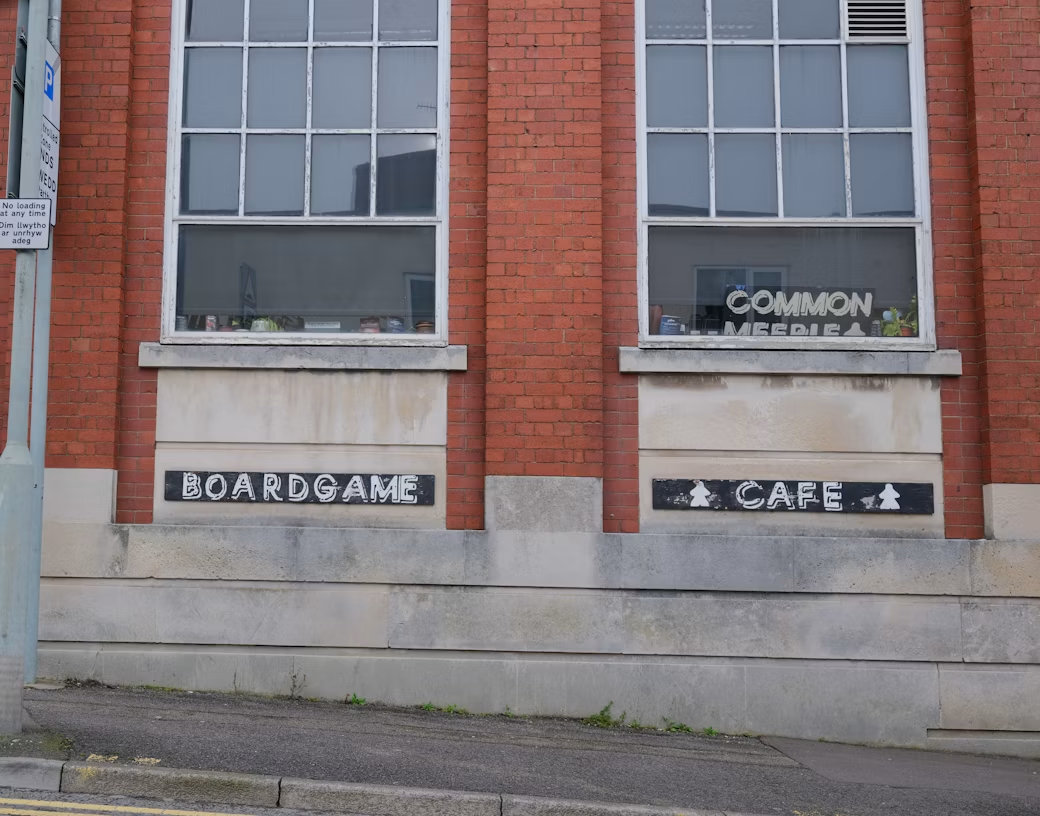
A few years ago, telling a friend “let’s meet at the board game cafe” would have needed an explanation. It was an event in itself. Now it barely needs to be specified as a ‘board game’ cafe. Cafes built entirely around tabletop play have become one of the fastest-growing kinds of hangout spot in Indian cities, and they didn’t appear out of nowhere. The format has a real history, a clear reason it works, and a future that looks nothing like a passing trend. Here’s the full story.
What is a Board Game Cafe?
A board game cafe is simple to define and harder to run well. You pay an hourly rate, or sometimes a flat day rate, and in exchange you get access to a curated library of games, sometimes a couple hundred titles, sometimes well over a thousand, along with staff who can teach you the rules on the spot. The good ones don’t just stock games. They read the table, the way a sommelier reads a meal, and hand you something that fits the group in front of them rather than whatever’s popular that week.
While most of the board game cafes charge, there are some that are free. You may be required to or should purchase some of their food or beverages.
A Short History of Playing Games Over Coffee
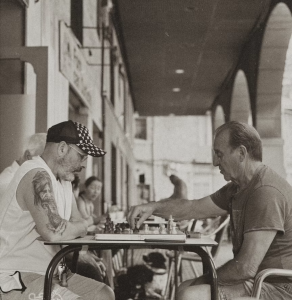
The idea of pairing games with a public place to drink and talk is centuries old, long before anyone called it a “board game cafe”. Ottoman coffeehouses, which started spreading in the mid-1500s, quickly became places where people gathered to play chess and backgammon alongside talking politics and exchanging news. Europe picked up the habit soon after. Vienna’s first coffeehouse opened in 1685, and by the 1700s, cities like Vienna, Paris, and London had coffeehouses that doubled as informal chess clubs, where strategies were argued over and reputations were built in public, in full view of anyone drinking coffee nearby. Vienna’s Café Central stayed a hub for chess players and thinkers well into the 20th century, right up until 1938.
The modern board game cafe, the kind with a paid library and staff who teach you the rules, is a much newer invention. The format is generally traced to South Korea and Taiwan in the early 2000s, where the first cafes built specifically around a rentable game collection opened and proved the model could work as a business, not just a habit. The idea crossed to North America a few years later: Snakes & Lattes opened in Toronto in August 2010, named after Chutes and Ladders, and though it’s sometimes wrongly credited as the first board game cafe in the West, it’s the one most people point to for turning the format into something entrepreneurs everywhere wanted to copy. Snakes & Lattes also introduced an idea that’s since become standard across the industry: the “Game Guru”, a staff role built entirely around matching the right game to the right group and teaching it well. From there, the format spread fast, into Europe, into Southeast Asia, and eventually into India.
Why We Think Board Game Cafes Are Genuinely Cool
We’ve written before about why India is in the middle of a real board game renaissance, and cafes are the clearest physical proof of it. A board game cafe is what we’d call, in our own language, an “invisible architect” made public: a space specifically engineered to put people in the same room, phones down, for a couple of hours, without asking anyone to commit to owning a shelf of games first. That’s a genuinely rare kind of “third place” somewhere that isn’t home and isn’t work, at a moment when a lot of casual hangout spaces have quietly disappeared.
Some amazing Board Game Cafes in India
Somewhere between the death of the family game night and the rise of the group chat, India quietly built a tabletop scene. The dedicated board game cafe, with hundreds of titles on the shelf, staff who teach the rules, and an hourly rate instead of a cover charge, now exists in most metros and a growing number of smaller cities. The catch is that the category churns fast, and most guides you’ll find online are still recommending board game cafes that shut years ago. Here’s who’s actually open.
Bengaluru has the deepest bench of board game cafes in India by some distance. Now Boarding runs two branches, in Jayanagar 3rd Block and HSR Layout, and sits at the serious end of the hobby. Board 4 Bored covers RR Nagar and Basavanagudi with a more family-friendly slant. Dice N Dine in Koramangala is the old guard, and Board Game Inc, Roll.Play, and Live The Game fill out the city’s board game cafe scene. The Boardgame Den on Church Street isn’t a cafe at all but a weekend session, useful if you’re turning up alone.
Chennai is smaller but unusually serious about it. Gameistry in Egmore is the largest board game cafe in the city, while The Board Game Lounge in Adyar was Chennai’s first and remains the most hobbyist-minded. Gamesync in Velachery holds one of the highest ratings of any board game cafe in the country. The Board Room in Mylapore and Gameopolis in T Nagar complete the set.
Hyderabad belongs to Get On Board Cafe in Jubilee Hills, still widely billed as India’s single largest board game collection. ParaDice and The Board Game Cafe are the alternatives.
Delhi NCR got its first dedicated board game cafe in Game On Board, now running two locations: Sector 51 in Gurugram and Malviya Nagar in Delhi. Unlocked at 32nd Avenue, Gurugram, is a restaurant-bar with a large game library rather than a cafe proper, but the collection earns it a mention.
Mumbai is thinner on dedicated board game cafes than a city its size ought to be. Mind Games Cafe in Dombivili is a reliable option. Ministry of Games is based out of Juhu and may be more centrally accessible.
Kolkata has Pair A Dice on Royd Street, near Park Street.
Beyond the metros, Pune has Gameflix Entertainment, Ahmedabad has an Unlocked on CG Road, Mysuru supports both House of Games and Untangle, Vellore has OnBoard, and Dhule has Dice Quest Board Games Club.
The Future of Board Game Cafes
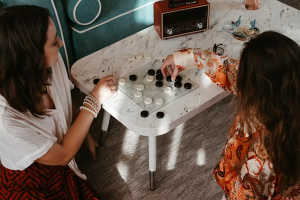
A few clear trends are already shaping where this format goes next. The cafes above didn’t stop expanding after their first location: Now Boarding, Board 4 Bored, and Ministry of Games have all opened second branches in their home cities, which is usually the clearest sign a format has moved past novelty and into a real, repeatable business. Corporate team-building bookings are growing too, since a themed table of strategy games turns out to be a genuinely good tool for getting coworkers to actually talk to each other, and several of the cafes above, Live The Game and Game On Board among them, already run dedicated corporate and private-event offerings alongside walk-in play. A few cafes are also starting to layer digital tools on top of the physical experience, online table bookings and loyalty perks mostly, without losing the thing that makes the format work in the first place: a real table, real people, and a game that forces you to look up from your phone.
None of that changes the core appeal, though. If anything, the more digital life gets, the more valuable a room full of people rolling dice together becomes.
Kheo Games and the Cafe Scene
This is exactly the kind of room we design for. Panchayat, Go Goa, Samachar, and Boitas are all built to work at a cafe table as well as a home one, easy enough to teach in a few minutes, deep enough to hold a group’s attention for an hour. If you run a cafe and haven’t added an Indian-themed title to your shelf yet, or you’re a regular who wants to request one, that’s exactly the gap we built Kheo to fill.
Frequently Asked Questions
Where did board game cafes originate? The modern board game cafe format, with a paid game library and staff who teach the rules, is generally traced to South Korea and Taiwan in the early 2000s. The idea of playing games over coffee is much older, going back to Ottoman and European coffeehouse culture centuries earlier.
What was the first board game cafe? There’s no single agreed-upon first board game cafe, since the format grew independently in a few places. Snakes & Lattes, which opened in Toronto in 2010, is the one most credited with popularizing the format across North America and beyond.
Which Indian city has the most board game cafes? Bengaluru. The city is home to a lot of distinct board game cafes and meetups, including Dice N Dine, Now Boarding, Board 4 Bored, Live The Game, Roll.Play, and The Boardgame Den.
What’s the biggest board game cafe in India?
Gameistry Entertainment in Chennai holds the title for the largest board game collection in India with an extensive library of over 1,300 tabletop games while GameOn Cafe in Hyderabad is India’s largest board game cafe structure featuring a massive 200-seat capacity and a dedicated kids’ play area.
Ready to Bring This Home?
If you don’t have a board game cafe near you yet, or just want to start your own collection, browse the full Kheo Games lineup and bring a piece of this culture to your own table. And if you want more of the story behind Indian tabletop gaming, our pillar post on Indian board games and our piece on why this renaissance is happening now are both worth the read.